

Understanding the Mental Health Effects of Social Media on Teens
In today’s digital age, social media plays a crucial role in the daily routines of teenagers. With platforms like Instagram, TikTok, and Snapchat dominating their daily routines, understanding the impact of social media on teen mental health is crucial. This article seeks to examine the dual impacts of social media on teenagers’ mental well-being, highlighting both benefits and challenges while offering strategies for responsible usage.
The Rise of Social Media Among Teens
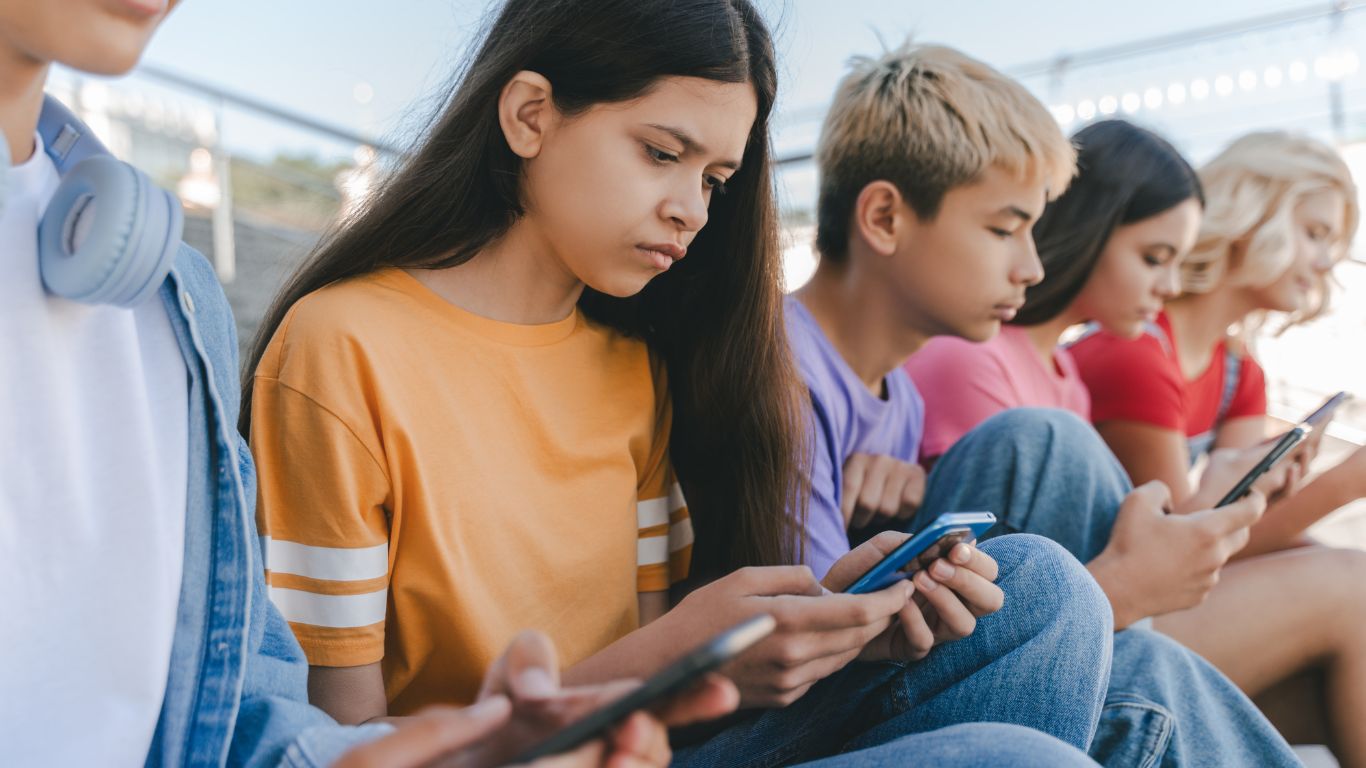
The daily routines of nearly 90% of teenagers involve frequent checks on social media, with many devoting more than three hours to browsing, posting, and interacting on various platforms. This widespread adoption offers a unique opportunity for teens to forge connections, express themselves, and explore their interests. For instance, social media allows them to join online groups centered around hobbies, connect with like-minded individuals, and even access educational resources. However, as teens immerse themselves in these virtual environments, it’s essential to consider the potential impact on their mental health. By examining the mental health effects of social media, we can better understand its role in shaping their emotional well-being and identify strategies to mitigate any negative consequences.
Positive Effects of Teens’ Mental Well-Being on Social Media
Social media isn’t all negative. It provides numerous opportunities for teens to connect with peers, especially those who might feel isolated in their offline lives. Educational content and resources are abundant, offering learning opportunities beyond the classroom. Platforms like Instagram and TikTok serve as outlets for self-expression and creativity, allowing teens to showcase their talents and hobbies. Many teens find communities of support and encouragement, fostering a sense of belonging and acceptance.
Negative Effects of Teens’ Mental Well-Being on Social Media
Despite the positives, social media also brings significant challenges, particularly concerning the mental health effects of social media. Cyberbullying and online harassment are rampant, leading to severe emotional distress. The culture of comparison fostered by social media can negatively impact body image and self-esteem. Studies link excessive social media use to increased anxiety and depression. Moreover, the blue light and heat emitted from screens can disrupt sleep patterns, contributing to poor mental health. According to research, teens who spend more than three hours a day on social media are more likely to experience mental health issues.
Psychological Mechanisms Behind Social Media’s Impact
The allure of social media is partly due to the brain’s response to instant gratification, with likes and comments triggering the release of dopamine. This creates a cycle of addiction, where teens constantly seek validation online. Fear of missing out (FOMO) exacerbates this, leading to compulsive checking and anxiety when not online. Algorithms that aim to keep users engaged by showing personalized content can trap teenagers in echo chambers, where they are exposed mainly to content that reinforces negative behaviors and thoughts. Social validation through likes and shares significantly impacts self-esteem, often dictating how teens perceive their self-worth.
Social Media’s Influence on Academic Performance
The use of social platforms can affect the academic performance of teenagers. Excessive use can lead to procrastination, decreased focus, and reduced time spent on studies. However, it can also provide educational resources, study groups, and access to academic content. Understanding the mental health effects of social media helps in creating balanced and productive social media habits.
Strategies for Healthy Social Media Use
Promoting healthy social media habits is essential. Teens can benefit from setting time limits on their usage and curating their feeds to follow positive and inspiring accounts. Parental involvement and open communication about online experiences are crucial. Tools and apps that monitor and limit screen time can help manage usage effectively. Encouraging a balanced digital diet, including offline activities and face-to-face interactions, is vital for overall well-being.
The Role of Mental Health Programs
Mental health programs are a vital lifeline for teenagers struggling to cope with the pressures of social media. These programs educate teens about the profound effects of social media on their self-esteem, relationships, and overall mental health. For instance, they teach them how to recognize and resist the unrealistically perfect images and messages that cause feelings of inadequacy and a diminished sense of self-worth. Additionally, they provide vital resources for managing the stress and anxiety that can stem from online bullying, FOMO (fear of missing out), or constant comparisons with others.
Mental health programs also create safe and non-judgmental spaces where teens can openly discuss their experiences and emotions. This is critical because teenagers frequently feel embarrassed or reluctant to discuss their challenges with social media. Through counseling sessions and support groups, mental health programs empower teens to develop resilience and effective coping strategies. This enables them to navigate the complex world of social media with confidence, ensuring they have the essential resources to uphold their mental well-being and flourish in today’s digital era.
Resources for Support and Help
Several resources are available to support teens struggling with the negative effects of social media. Online communities and support groups offer a secure environment for sharing experiences and receiving guidance. Educational materials and courses on digital literacy and mental health awareness can equip teens with the knowledge to navigate social media responsibly. Professional therapy and counseling are also valuable options for those needing more support.
Social media has a multifaceted impact on teen mental health, causing both beneficial and harmful effects. Awareness and moderation are key to harnessing the positives while mitigating the negatives. Ongoing dialogue, education, and research are essential to support teens in navigating the digital landscape healthily and safely. By understanding and addressing the mental health effects of social media, we can help teenagers use these platforms in ways that promote their well-being and foster positive growth.
To stay current with us, please follow our Facebook and Instagram pages.