

The Connection Between Physical Exercise and Anxiety Relief
Anxiety is a widespread mental health disorder affecting millions of people globally. It can present as general anxiety to intense panic attacks and usually has a significant impact on daily life. One of the most common and most effective, as well as the most natural, ways of fighting anxiety is through physical exercise. This article will explore the strong link between exercise and anxiety relief. It will show how adding movement to your daily routine can lead to a healthier mind.
Understanding Anxiety
Anxiety disorders have many forms. These include GAD, social anxiety, panic disorder, and specific phobias. Anxiety often presents with symptoms such as restlessness, excessive worry, and difficulty concentrating. It can also cause physical manifestations like a racing heart or muscle tension. These symptoms can be debilitating, affecting work, relationships, and overall quality of life. Seeking anxiety relief can be an essential factor for managing these challenges and improving overall well-being.
How Physical Exercise Impacts the Brain
It’s well-known that exercise boosts brain function. When you exercise, your brain produces chemicals known as endorphins. These “feel-good” hormones help reduce pain and make you feel happier by interacting with brain receptors. Exercise also influences neurotransmitters like serotonin and dopamine, which play crucial roles in mood regulation. Additionally, regular physical activity helps reduce the levels of stress hormones such as cortisol, which are often elevated in individuals experiencing anxiety. Together, these changes create a powerful antidote to anxiety, promoting anxiety relief, relaxation, and mental clarity.
Types of Physical Exercise That Help with Anxiety
Cardiovascular Exercises
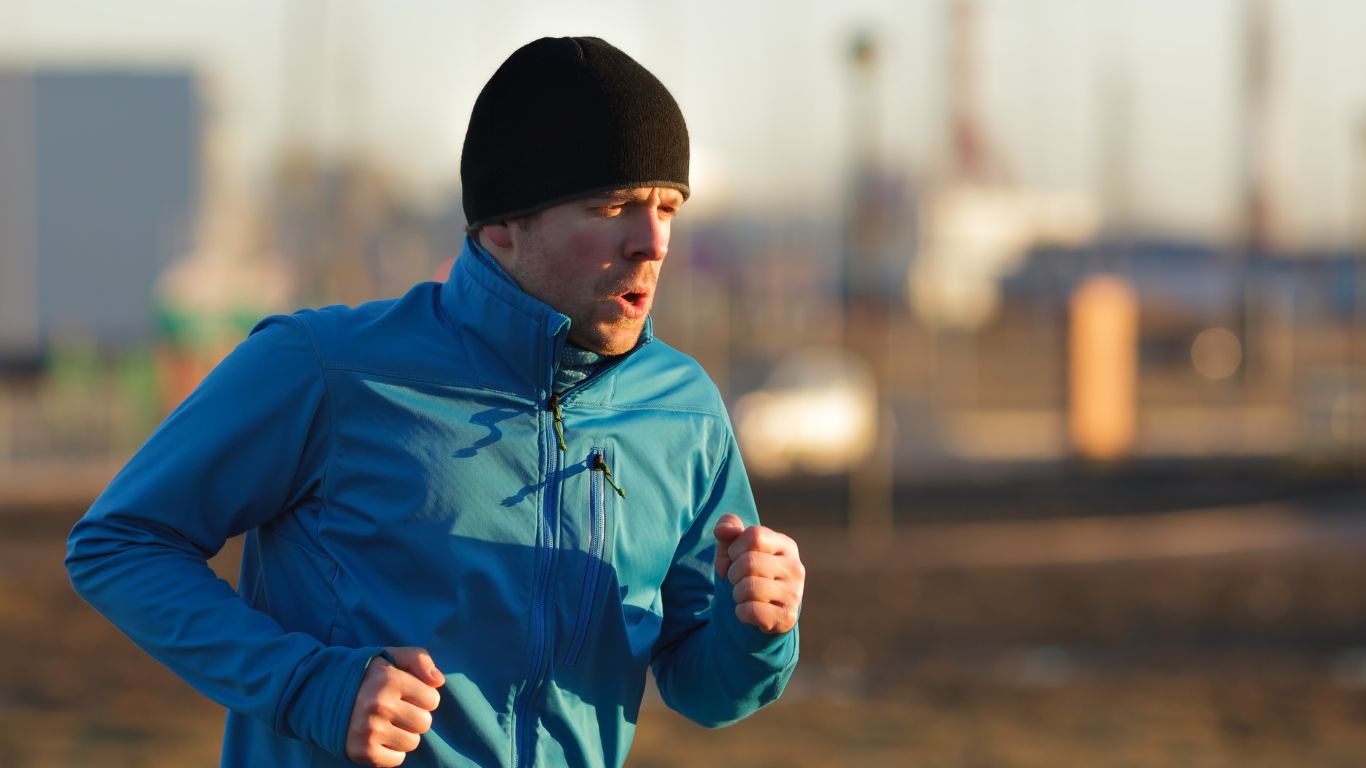
Running, cycling, and swimming are great for anxiety relief. These exercises elevate your heart rate, boosting blood flow and increasing oxygen to the brain, which helps reduce feelings of anxiety. Cardio exercises’ repetitive, rhythmic nature can have a meditative effect, allowing your mind to focus on the movement rather than anxious thoughts.
Strength Training
Strength training exercises like weightlifting or resistance workouts build physical strength and boost mental resilience. The sense of accomplishment from lifting weights can enhance self-confidence and reduce stress. Strength training encourages focusing on the present moment as you concentrate on your form and technique. This provides a mental break from worries.
Mind-Body Exercises
Yoga, tai chi, and Pilates focus on slow movements and linking physical movement with mental relaxation. These activities incorporate controlled breathing, mindfulness, and gentle stretching, which makes them very effective for reducing anxiety. The slow, deliberate movements help you reconnect with your body and mind, fostering a sense of peace and balance.
Outdoor Activities
More and more research shows that being in nature is great for mental health. Activities like hiking, walking, running, or playing sports outdoors combine the physical benefits of exercise with the calming effects of nature exposure. Being in natural environments has been shown to lower stress, ease anxiety, and boost mood.
Case Studies and Research Findings
Many studies show that exercise helps cut down anxiety symptoms. For example, research published in Depression and Anxiety found that people who exercised regularly experienced less anxiety compared to those who were less active. Another study in The Lancet Psychiatry found that even small amounts of exercise, like a 30-minute daily walk, can reduce anxiety. Real-life testimonials support these findings. Many people who use exercise to manage anxiety report better mental health and quality of life.
Integrating Exercise into Your Routine for Anxiety Relief
It isn’t easy to establish and sustain a regular exercise regimen. Lack of confidence can only add to the problem, making it even worse. But there are ways you can counter these barriers. Start with setting small goals that are easy to achieve. For instance, walk for 10 minutes each day. Start with low-intensity and long workouts and slowly build up.
It is essential to find something you enjoy doing to be consistent; whether running or walking, one has to move. Don’t forget that the key is consistency. Regular, moderate exercise is better for long-term anxiety relief than occasional intense workouts. Also, consider combining exercise with other anxiety techniques. For example, try mindfulness meditation or cognitive-behavioral therapy (CBT) to boost your results.
Exercise is an intense form of managing anxiety and has both immediate as well as long-term benefits in improving mental health. To relieve anxiety and enhance quality of life, act. Discover how exercise affects the brain. Discover different exercises and how to include them in your routine. If you are new to exercise or want to improve, you should know that every step you take is towards a better and quieter mind. Why not begin now? You might want to try out different forms of exercise, find out which ones work for you, and include them in your daily routine for anxiety relief.
To stay current with us, please follow our Facebook and Instagram pages.